

Phantom AI
Use Phantom AI as the anchor for a real shortlist.
Instead of returning to a broad directory, jump straight into the strongest adjacent matchups for pricing, workflow fit, and differentiation.
Overview
Overview
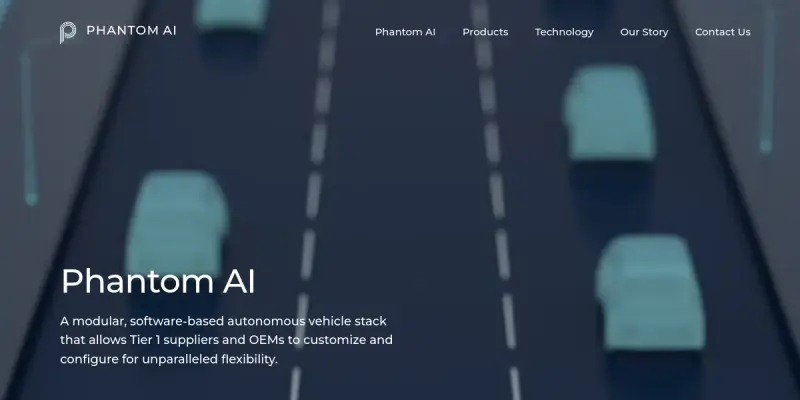
Phantom AI is a technology company specializing in affordable advanced driver assistance systems (ADAS) for the automotive sector. Founded in 2022, the company develops computer vision-based safety features that help reduce traffic accidents and enhance driving safety. Phantom AI targets OEMs and Tier 1 suppliers who need scalable, cost-effective ADAS solutions without compromising on reliability.
Key Features
- Vision-Based Perception: Uses cameras and deep learning models to detect vehicles, pedestrians, lane markings, and traffic signs in real time.
- Customizable Safety Alerts: Offers configurable alerts for forward collision warning, lane departure warning, and blind spot detection.
- Edge Deployment: Runs on embedded hardware to minimize latency and reduce dependency on cloud connectivity.
- Scalable Software Stack: Supports integration across different vehicle platforms and sensor configurations.
- Data Logging & Analytics: Captures driving data for further model improvement and fleet safety analysis.
- Over-the-Air Updates: Enables remote updates to improve system performance and add new features.
- OEM Integration Support: Provides APIs and SDKs for seamless integration with existing vehicle electronics.
Use Cases
Fleet Safety Management
Fleet operators can deploy Phantom AI's ADAS to monitor driver behavior, reduce accident rates, and lower insurance costs. The system provides real-time alerts and post-trip analytics.
Passenger Vehicle Safety
Automakers can integrate Phantom AI into new vehicle models to offer affordable safety packages. The vision-based system meets regulatory requirements and improves NCAP ratings.
Autonomous Vehicle Development
Developers and research labs use Phantom AI's perception stack as a baseline for prototyping autonomous driving functions. The modular design allows for customization and testing.
Commercial Trucking
Trucking companies leverage Phantom AI to reduce driver fatigue-related incidents. Lane departure and forward collision warnings help comply with safety mandates.
Pricing & Plans
Pricing is not publicly disclosed. Phantom AI operates on a freemium model for early-stage evaluation, while production deployments and enterprise integrations require custom quotes. Contact sales for detailed pricing based on fleet size or vehicle volume.
Integrations & Compatibility
Phantom AI integrates with major automotive platforms and embedded systems. It supports camera-based sensor inputs and provides APIs for integration with CAN bus, Ethernet, and other vehicle communication protocols. The platform works with Linux and QNX operating systems.
Who Is It For?
Phantom AI is designed for automotive OEMs, Tier 1 suppliers, fleet operators, and autonomous vehicle developers. It serves organizations looking for affordable, deployable ADAS technology without proprietary hardware lock-in.
Limitations
- The system relies primarily on cameras and may have reduced performance in extreme weather conditions like heavy fog or snow.
- Current pricing details are not publicly available, making cost comparison difficult.
- Limited integration support for non-automotive applications outside of mobility.
Final Verdict
Phantom AI offers a compelling value proposition for the automotive industry by delivering affordable, vision-based ADAS. Its focus on edge computing and OEM integration makes it a practical choice for enhancing vehicle safety. While weather limitations and opaque pricing are drawbacks, the platform's modular design and over-the-air update capability provide long-term adaptability. Overall, Phantom AI is a strong candidate for organizations seeking cost-effective ADAS solutions.
Tool Facts
Screenshots & Interface
Pros
- ✓ Vision-based perception reduces hardware costs compared to LiDAR-based systems.
- ✓ Scalable software stack allows integration across multiple vehicle models.
- ✓ Over-the-air updates enable continuous improvement without physical recalls.
- ✓ Configurable alerts help fleets meet safety compliance requirements.
Cons
- × Performance degrades in low-visibility weather conditions like fog or snow.
- × Pricing for full deployment is not publicly disclosed.
- × Limited to camera-based sensing; does not natively support LiDAR or radar fusion.
- × Integration support is focused on automotive platforms, limiting cross-industry use.
How to Use Phantom AI in Your Workflow
Integrating Phantom AI into your professional toolkit enhances efficiency by automating manual steps. By configuring it to suit your specific project requirements, you can optimize output quality and reduce project cycle times. Standard workflows involve testing the tool on simple tasks before scaling its use to complex operations.
Frequently Asked Questions
What is Phantom AI used for?
Phantom AI provides advanced driver assistance systems (ADAS) for the automotive industry. It focuses on affordable, vision-based safety features to reduce collisions and improve driving. The platform is designed for OEMs and Tier 1 suppliers seeking cost-effective ADAS integration.
What is the pricing model for Phantom AI?
Phantom AI uses a Freemium pricing model.
What are the main advantages of Phantom AI?
The key benefits of Phantom AI include: Vision-based perception reduces hardware costs compared to LiDAR-based systems., Scalable software stack allows integration across multiple vehicle models., Over-the-air updates enable continuous improvement without physical recalls., Configurable alerts help fleets meet safety compliance requirements..
What are the main limitations of Phantom AI?
Some limitations or cons of Phantom AI are: Performance degrades in low-visibility weather conditions like fog or snow., Pricing for full deployment is not publicly disclosed., Limited to camera-based sensing; does not natively support LiDAR or radar fusion., Integration support is focused on automotive platforms, limiting cross-industry use..
Alternative AI Tools

ABB Ability AI
ABB Ability AI is an industrial AI suite that optimizes manufacturing operations through predictive analytics and digital twin technology. It helps facilities reduce downtime and improve energy efficiency.

Aveva AI
Aveva AI optimizes industrial processes and predictive maintenance by leveraging AI models to detect anomalies and support risk-based decision-making in manufacturing.
Basler AI
Basler AI provides AI-powered quality control and manufacturing analytics for industrial automation. It helps manufacturers reduce defects and optimize production workflows using computer vision and machine learning models.
Rating Details
Based on 0 ratings
Quick Comparisons
Related Tools
More AI tools from the same workflow, industry, or category.
fr3n
fr3n is a creator platform that combines a link-in-bio page, digital storefront, community spaces, and newsletters into one hub. It helps creators sell digital products, run memberships, and build an audience with first-party data.
Aveva AI
Aveva AI optimizes industrial processes and predictive maintenance by leveraging AI models to detect anomalies and support risk-based decision-making in manufacturing.
Paddle AI
Paddle AI streamlines billing, tax compliance, and revenue management for digital businesses. This SaaS platform automates financial operations, supporting global revenue generation for apps like n8n and AdGuard. It integrates essential payment processing tools into a single interface.
Honeywell Forge AI
Honeywell Forge is an industrial IoT platform that combines digital twin technology with AI to optimize facility operations. It is designed for industrial manufacturers seeking predictive maintenance and operational efficiency.
Reviews
No reviews submitted yet. Be the first to share your experience.
Write a Review
Share Your Experience
Join the community to write reviews, submit ratings, and bookmark your favorite AI tools.