Back to article categories
Article Category

AI Agents & Automation

Discover how AI agents and automation systems work in real-world environments. Articles cover autonomous agents, browser agents, agent frameworks, workflow automation, production testing, and enterprise implementation.

Why Most AI Agents Fail in Production (And How Engineering Teams Prevent It) AI Agents & Automation
Aug 04, 2026 • By Dave Dotio

Why Most AI Agents Fail in Production (And How Engineering Teams Prevent It)

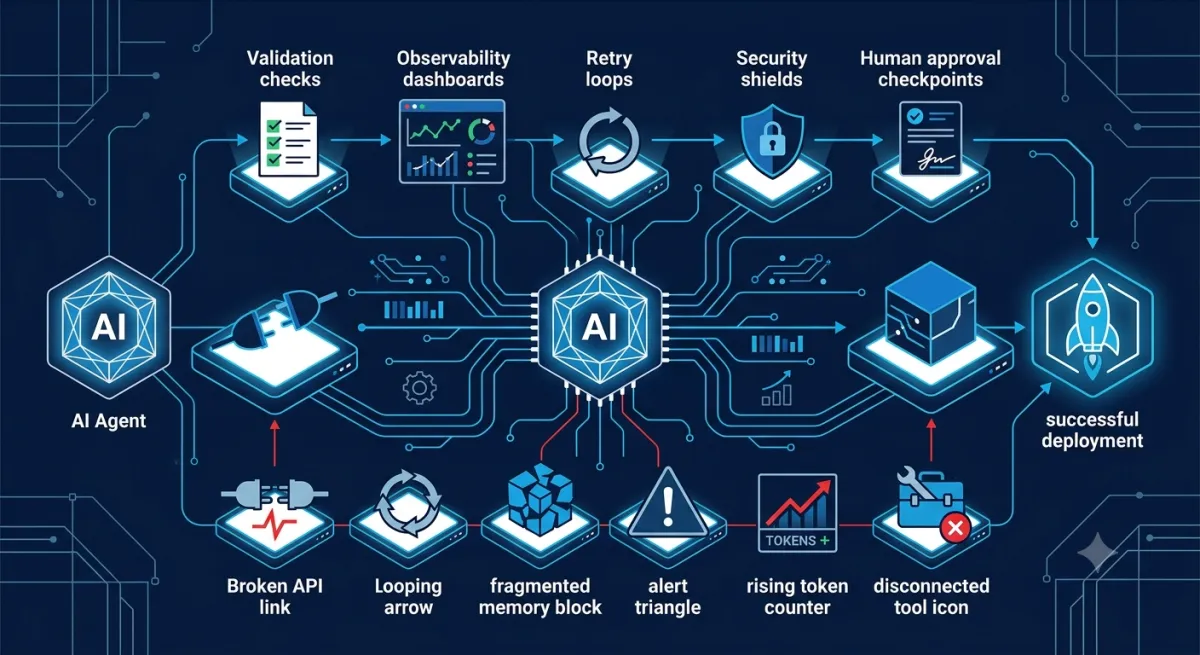
AI agent demos rarely fail. Production deployments do. In controlled environments, agents can browse websites, write code, analyze documents, and automate complex workflows with impressive results. But once they're exposed to real users, unreliable APIs, changing data, security policies, and unpredictable edge cases, many systems become expensive, inconsistent, or difficult to trust. This guide explores why AI agents fail in production—not because the underlying models are incapable, but because production AI is fundamentally a systems engineering problem. We'll examine the most common failure modes and the architectural patterns successful engineering teams use to build resilient, observable, and reliable AI agents.
Read full guide
ElevenLabs Scribe V2 Realtime Review: Can 150ms Transcription Power Production AI Agents? AI Agents & Automation
Jul 19, 2026 • By Dave Dotio

ElevenLabs Scribe V2 Realtime Review: Can 150ms Transcription Power Production AI Agents?

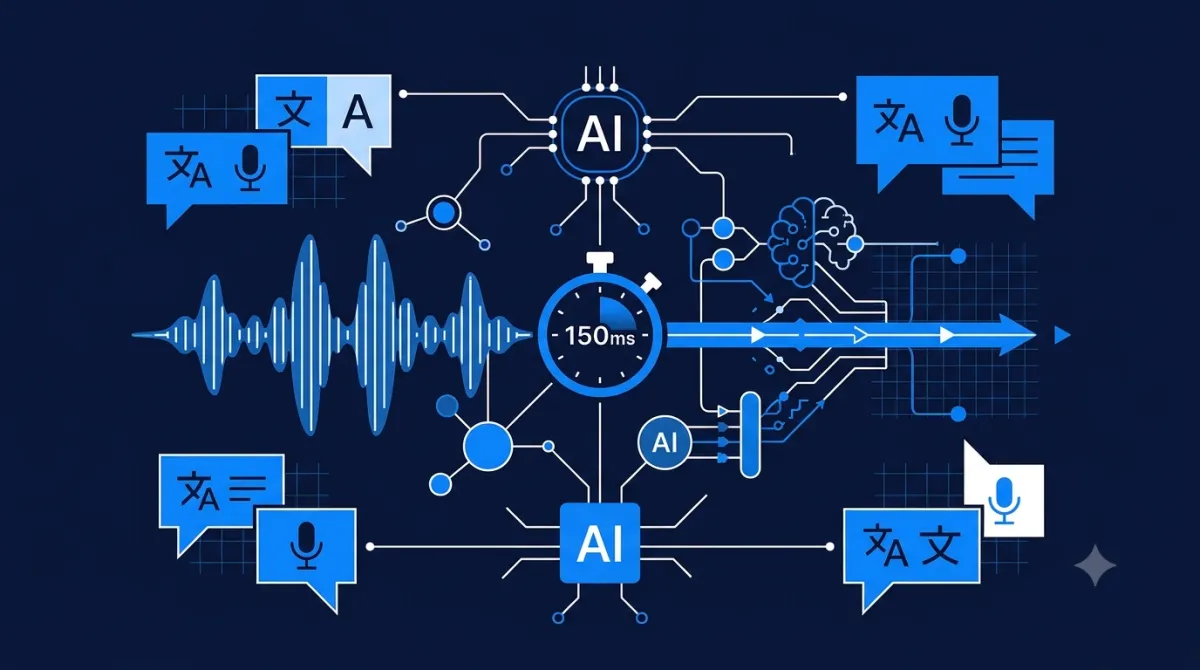
Voice has become one of the fastest-growing interfaces for AI systems, but most production deployments still struggle with a familiar bottleneck: transcription latency. Every additional delay compounds across downstream reasoning, tool execution, and response generation. As AI agents move from chat interfaces into meetings, customer support, and real-time assistants, speech recognition is becoming infrastructure rather than a standalone feature. ElevenLabs Scribe V2 Realtime enters this space with an ambitious proposition: approximately 150ms transcription latency across more than 90 languages, designed specifically for live AI workflows. This review examines where those capabilities create practical value, where engineering tradeoffs remain, and whether the platform is mature enough for production deployments.

Read full guide
Lightpanda vs Chrome: Why AI Agents Need a Browser Built for Automation AI Agents & Automation
Jul 14, 2026 • By Dave Dotio

Lightpanda vs Chrome: Why AI Agents Need a Browser Built for Automation

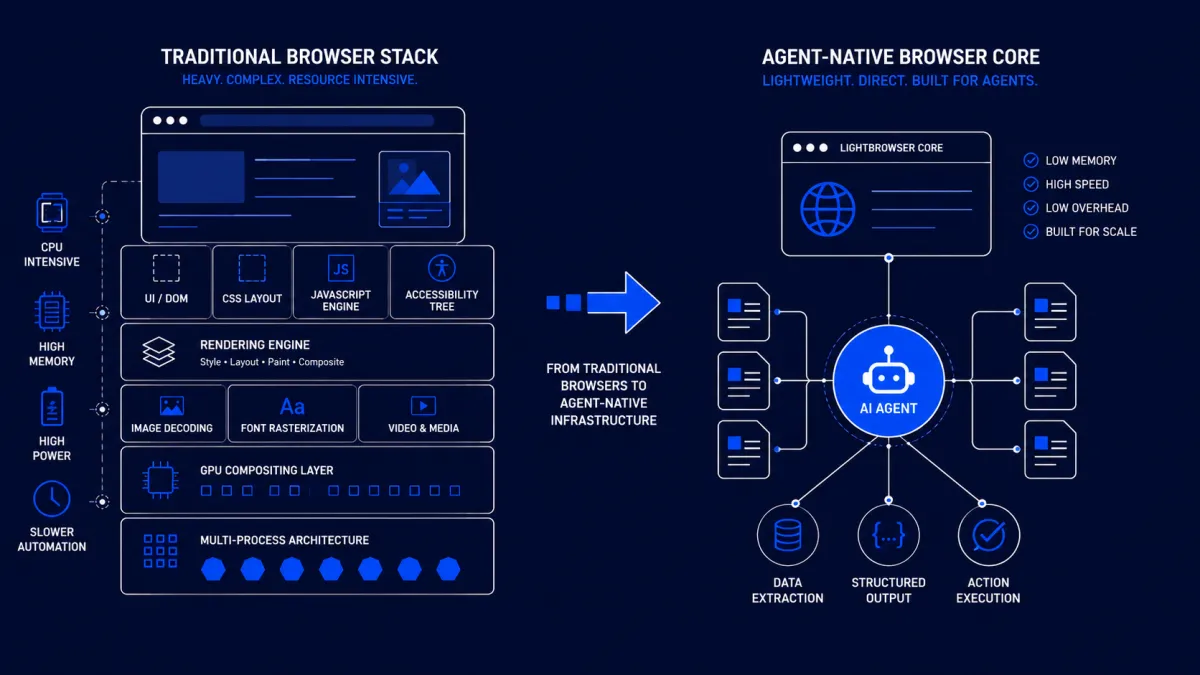
Every browser agent today inherits a design compromise: it automates a browser that was built for humans. Whether it's OpenAI Operator, Claude Computer Use, Browser Use, Stagehand, or countless internal enterprise agents, the underlying engine is almost always Chromium. That brings mature web compatibility—but also gigabytes of rendering code, graphics pipelines, and UI components an autonomous agent never actually uses. Lightpanda challenges that assumption. Rather than optimizing Chrome, it removes entire layers of the browser stack, promising dramatically lower memory usage and significantly faster execution. The result isn't just another headless browser—it's a different way of thinking about web automation for AI agents.

Read full guide
The Best AI Agent Testing Tools in 2026: Building a Continuous Evaluation Pipeline AI Agents & Automation
Jul 13, 2026 • By Dave Dotio

The Best AI Agent Testing Tools in 2026: Building a Continuous Evaluation Pipeline

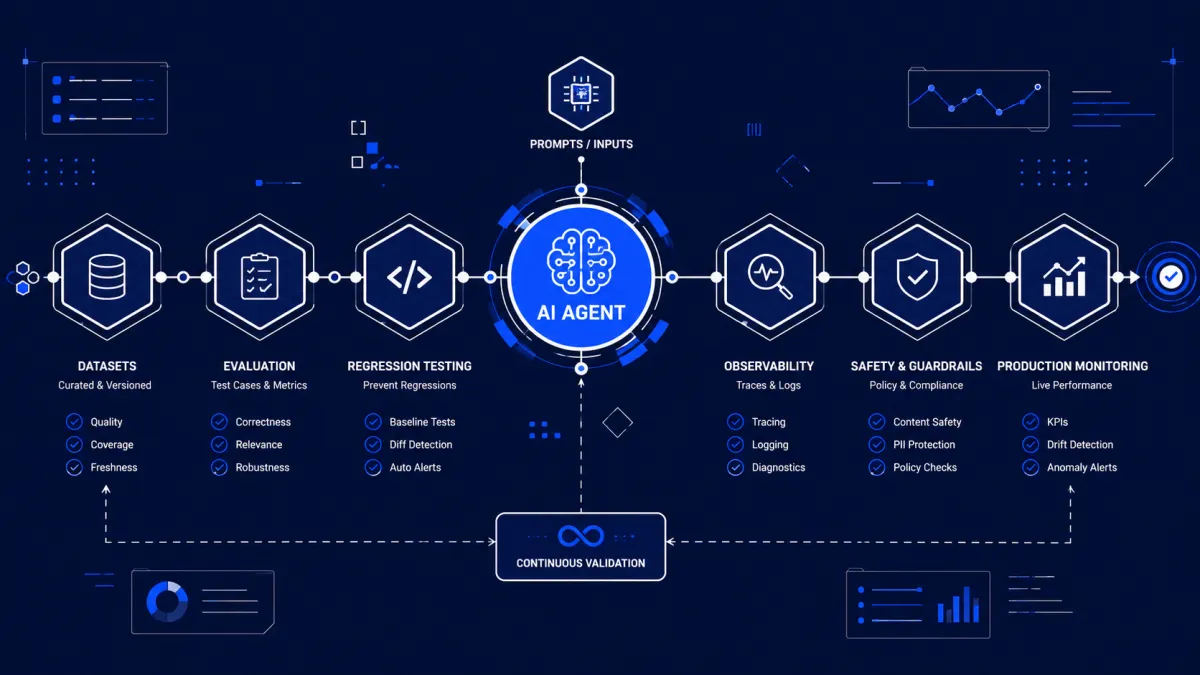
Shipping an AI agent is no longer the hard part. Keeping it reliable is. Traditional software either works or it doesn't. AI agents introduce a different class of failures: hallucinated tool calls, inconsistent reasoning, prompt regressions, escalating costs, and behaviors that change after a seemingly harmless model update. The result is that many teams discover problems only after users do. This guide explains how modern AI teams approach agent evaluation in 2026. Rather than comparing products in isolation, it introduces the principles behind continuous evaluation, the metrics that matter, and the testing stack used to move AI agents from promising prototypes to dependable production systems.

Read full guide
n8n AI Workflow Automation: When Browser Agents Aren't Enough AI Agents & Automation
Jul 10, 2026 • By Dave Dotio

n8n AI Workflow Automation: When Browser Agents Aren't Enough

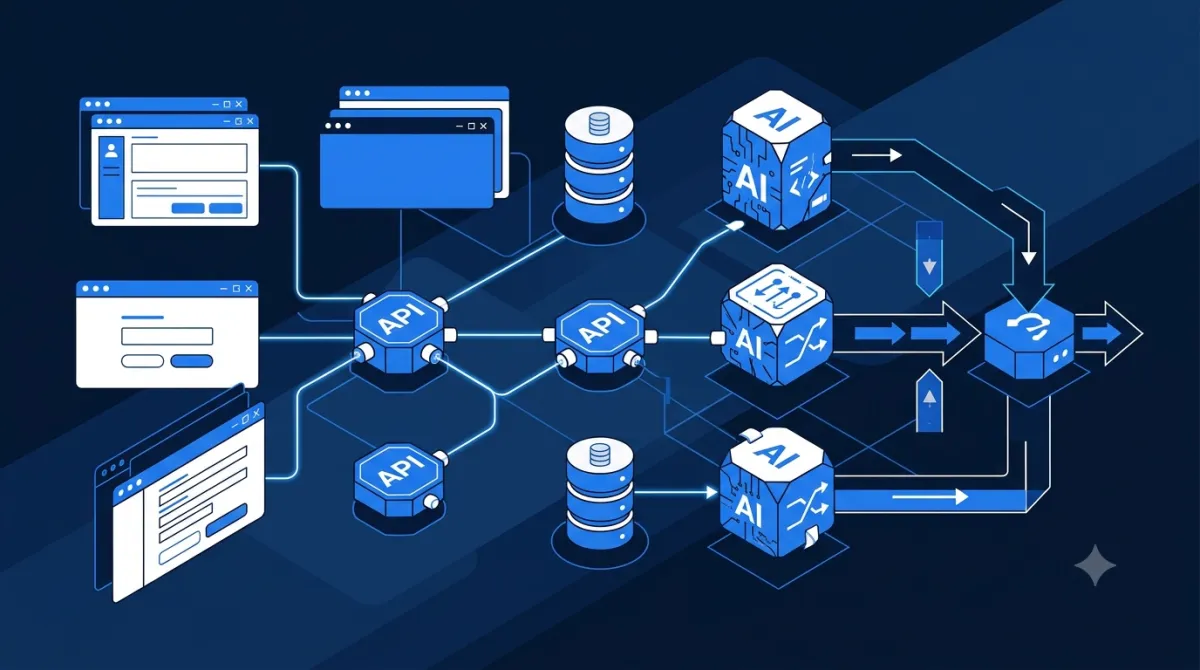
Browser-based AI agents can automate repetitive tasks inside web applications, but they quickly reach their limits when workflows span multiple systems. Moving data between APIs, triggering business logic, and coordinating long-running processes requires orchestration rather than simple browser automation. This guide explains when browser agents stop being the right tool, how n8n AI workflow automation tutorial concepts fit into modern AI stacks, and the architectural principles practitioners should use before automating production workflows.

Read full guide
From Chatbots to Co-Workers: The Rise of Autonomous AI Agents in the Enterprise AI Agents & Automation
Jun 21, 2026 • By Dave Dotio

From Chatbots to Co-Workers: The Rise of Autonomous AI Agents in the Enterprise

Organizations are moving beyond conversational interfaces and deploying autonomous AI agents that execute end-to-end workflows, design software architecture, and resolve customer issues without human escalation. This shift is reshaping how work is structured, governed, and scaled—and the companies that build the right foundations today will define the next decade of enterprise operations.

Read full guide