Back to article categories
Article Category

AI Models

Explore AI model reviews, comparisons, benchmarks, capabilities, limitations, and deployment trends. This category covers frontier models, open-source models, small language models, coding models, and the technologies powering modern AI tools.

The End of Single-Model AI: Why Multi-Model Architectures Are Becoming the Default AI Models
Sep 28, 2026 • By Dave Dotio

The End of Single-Model AI: Why Multi-Model Architectures Are Becoming the Default

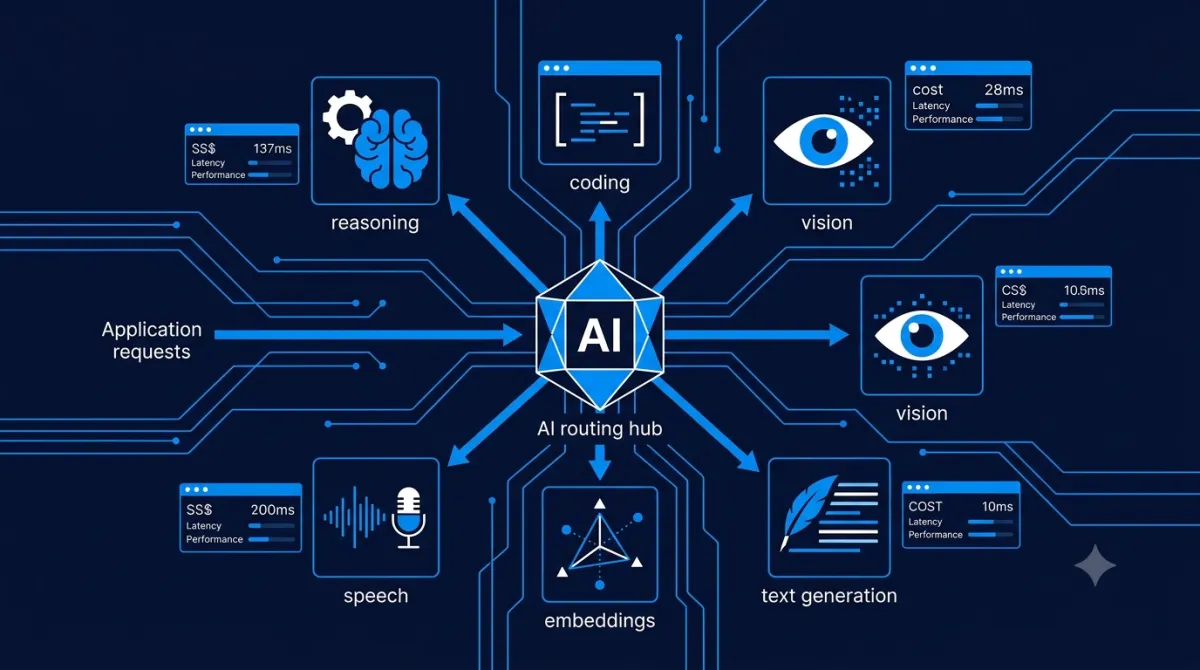
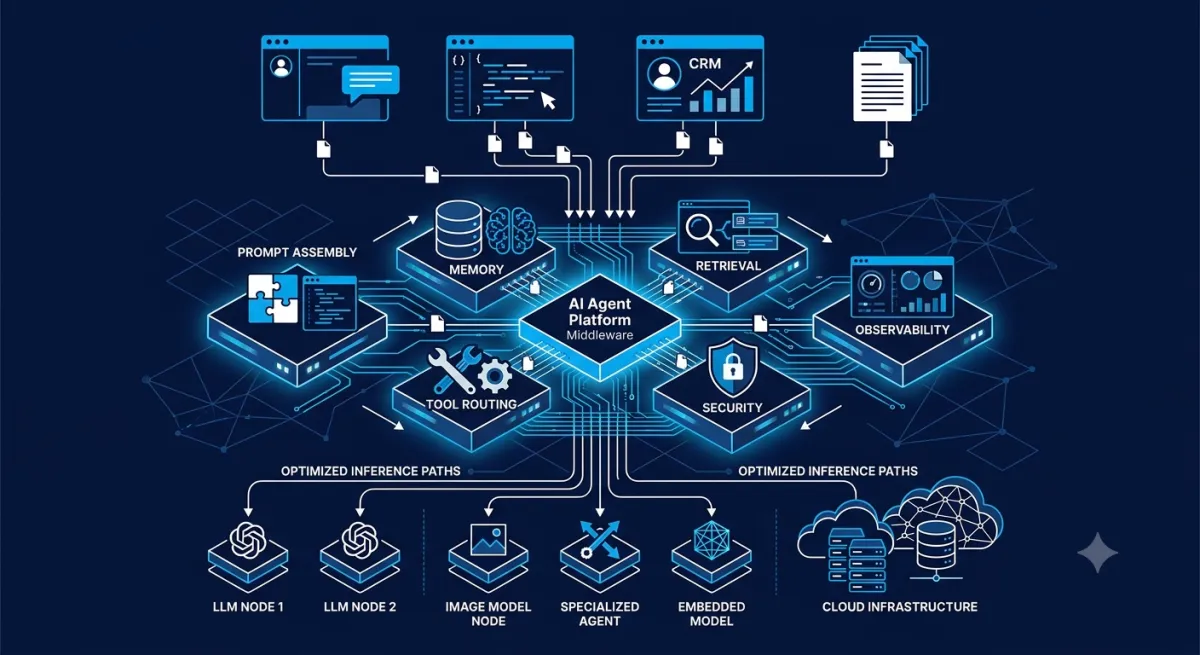
For the first wave of generative AI, choosing the "best" language model was one of the most important architectural decisions. Organizations debated GPT versus Claude, Gemini versus open-source models, searching for a single model capable of handling every workload. That mindset is rapidly disappearing. Production AI platforms increasingly use multiple models simultaneously, routing each request to the model best suited for the task. A lightweight model might classify emails, a reasoning model could analyze contracts, and a coding model may generate software—all within the same application. This shift toward multi-model architecture is redefining how enterprise AI systems are designed, optimized, and operated.
Read full guide
The AI Stack Explained: Every Layer From Infrastructure to Intelligent Applications AI Models
Sep 18, 2026 • By Dave Dotio

The AI Stack Explained: Every Layer From Infrastructure to Intelligent Applications

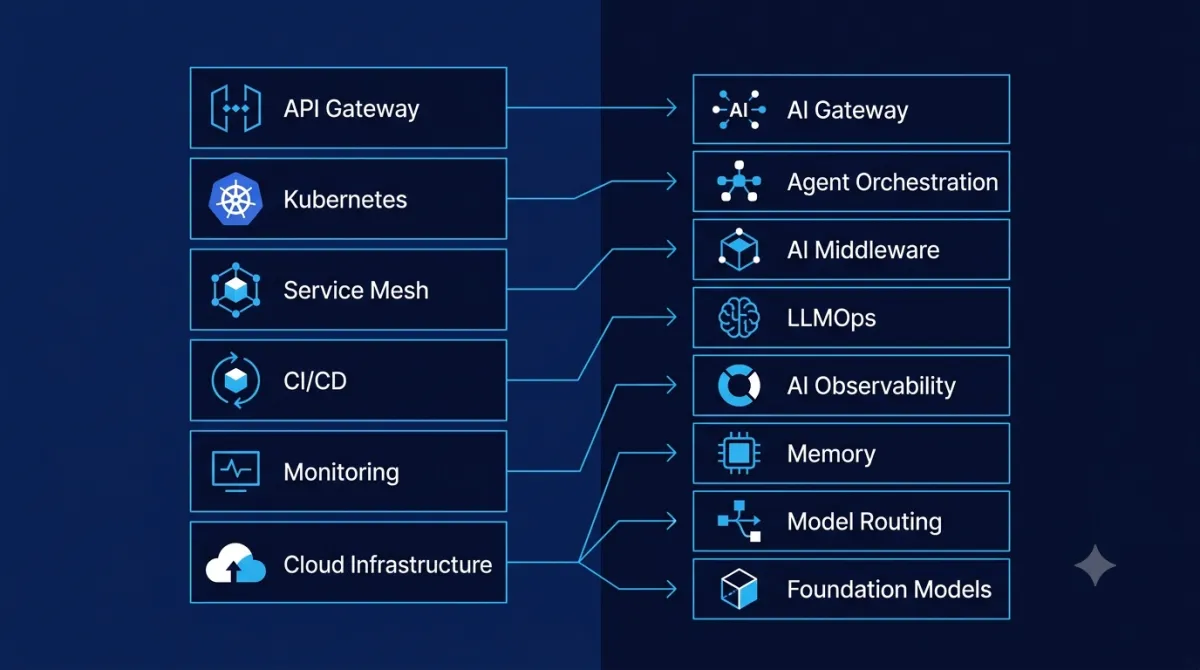
When people discuss AI systems, they often focus on a single layer: the language model. Yet modern AI applications are built on an increasingly sophisticated stack of technologies that extends far beyond GPT, Claude, Gemini, or open-source models. A production AI platform combines infrastructure, models, gateways, memory, retrieval systems, evaluation pipelines, observability, governance, orchestration, and user-facing applications. Each layer solves a different problem, and understanding how they fit together is becoming essential for AI engineers, architects, and technical leaders. This guide breaks down the complete AI stack and explains how every layer contributes to building scalable, reliable, and enterprise-ready AI systems.

Read full guide
AI Middleware Explained: The Software Layer Nobody Talks About AI Models
Aug 05, 2026 • By Dave Dotio

AI Middleware Explained: The Software Layer Nobody Talks About

Most discussions about AI architecture focus on models, agents, or frameworks. Yet production AI systems depend on another layer that receives far less attention: middleware. It sits between applications and AI services, routing requests, enriching context, enforcing policies, managing memory, and coordinating tools before a model ever generates a response. As organizations move from isolated AI features to enterprise-wide AI platforms, middleware is becoming the glue that holds the entire stack together. This guide explains what AI middleware is, why it matters, and how it differs from gateways, orchestration frameworks, and control planes.

Read full guide
AI Memory Explained: Why Chat History Isn't Enough for Intelligent Agents AI Models
Aug 03, 2026 • By Dave Dotio

AI Memory Explained: Why Chat History Isn't Enough for Intelligent Agents

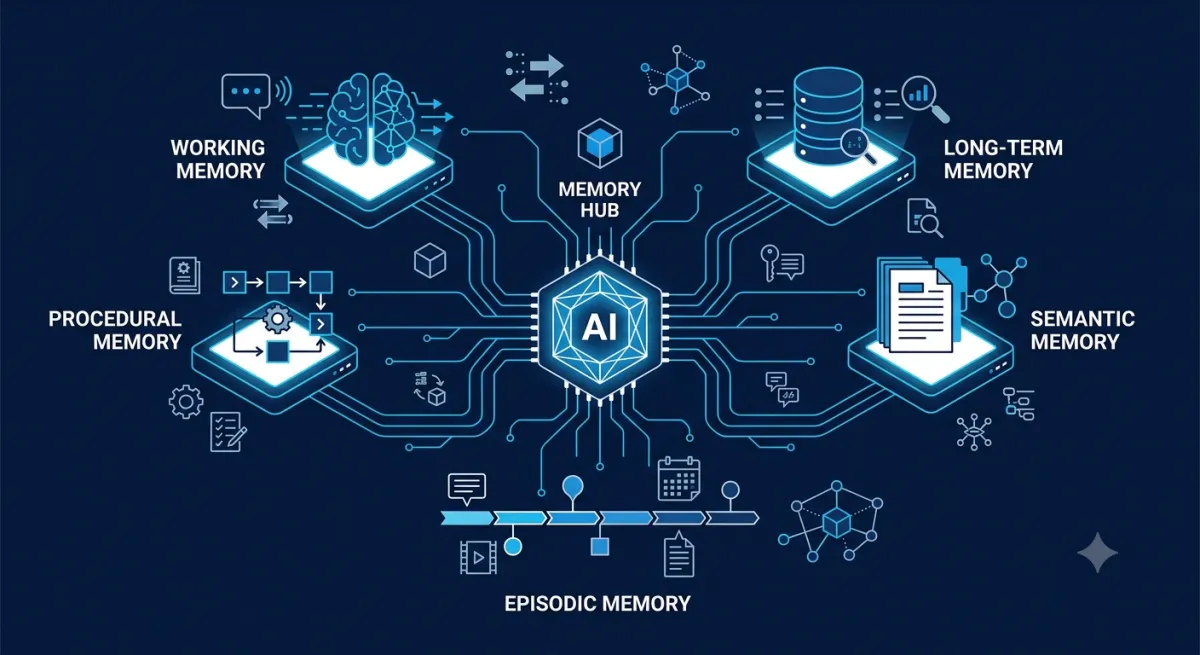
Ask someone what "AI memory" means, and they'll probably point to ChatGPT remembering previous conversations. While conversation history is useful, it's only one small piece of how modern AI systems retain and use information. Production AI applications rely on multiple forms of memory working together. Short-term context keeps track of the current conversation, retrieval systems access external knowledge, user profiles personalize responses, and long-term memory allows agents to improve over time. Understanding these layers is becoming essential for anyone building AI applications that extend beyond simple chatbots. This guide explains the architecture of AI memory and why persistent context is quickly becoming one of the defining capabilities of intelligent agents.

Read full guide
Model Context Protocol Explained: Why MCP Could Become AI's USB-C Standard AI Models
Jul 30, 2026 • By Dave Dotio

Model Context Protocol Explained: Why MCP Could Become AI's USB-C Standard

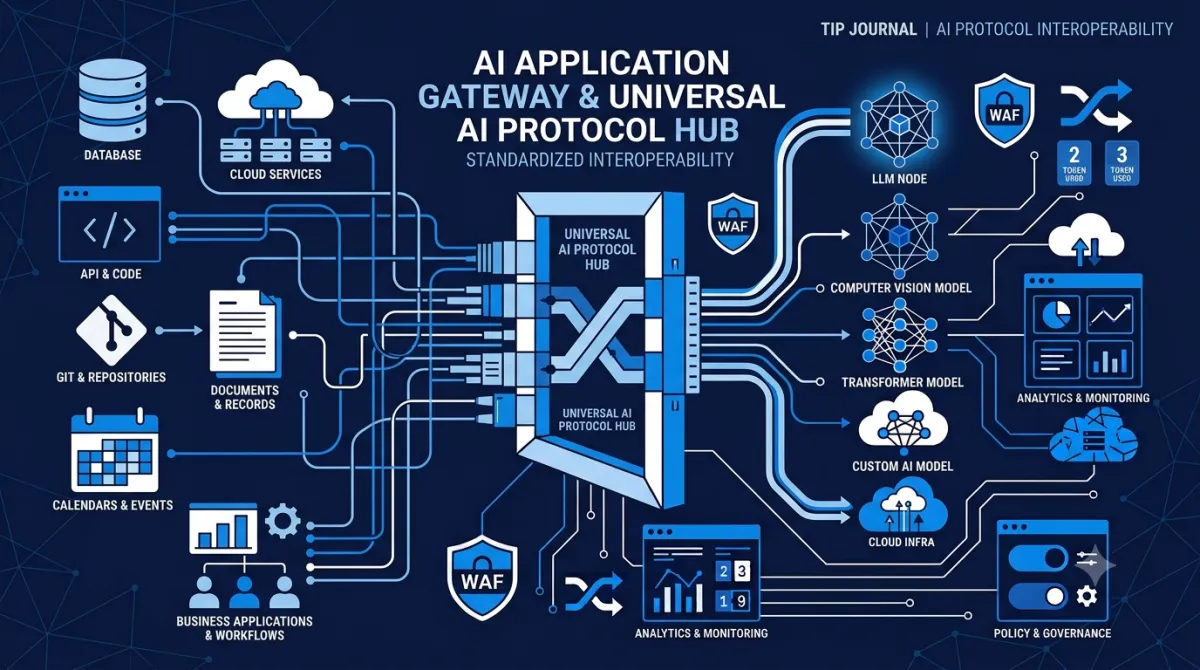
The first generation of AI applications integrated language models one connection at a time. Every database, API, file system, IDE, or SaaS application required its own custom integration. That approach worked when AI assistants had access to only a handful of tools. It doesn't scale to enterprise AI. The Model Context Protocol (MCP) proposes a different future: a standardized interface that allows AI models to discover and interact with external tools through a common protocol. Much like USB-C simplified hardware connectivity, MCP aims to reduce integration complexity across the AI ecosystem. This article explains why the protocol matters, where it fits into modern AI architecture, and what engineering teams should consider before adopting it.

Read full guide
Kimi K3 Review: Is This Open-Weight Model Ready for Real Work? AI Models
Jul 21, 2026 • By Dave Dotio

Kimi K3 Review: Is This Open-Weight Model Ready for Real Work?

Kimi K3 has arrived at a moment when open-weight AI models are becoming increasingly credible alternatives to closed APIs. But headline parameter counts and launch-day attention don't tell you whether a model is actually useful for developers, researchers, and businesses. This Kimi K3 review examines the model from a practical perspective: what it is designed to do, where its open-weight approach matters, which workloads it could fit, and what teams should verify before adopting it. The goal isn't to crown another benchmark winner. It's to determine whether Kimi K3 changes the economics and architecture of deploying capable AI models.

Read full guide
DeepSeek V4 Review: Is Peak-Valley API Pricing the Future of Enterprise AI? AI Models
Jul 20, 2026 • By Dave Dotio

DeepSeek V4 Review: Is Peak-Valley API Pricing the Future of Enterprise AI?

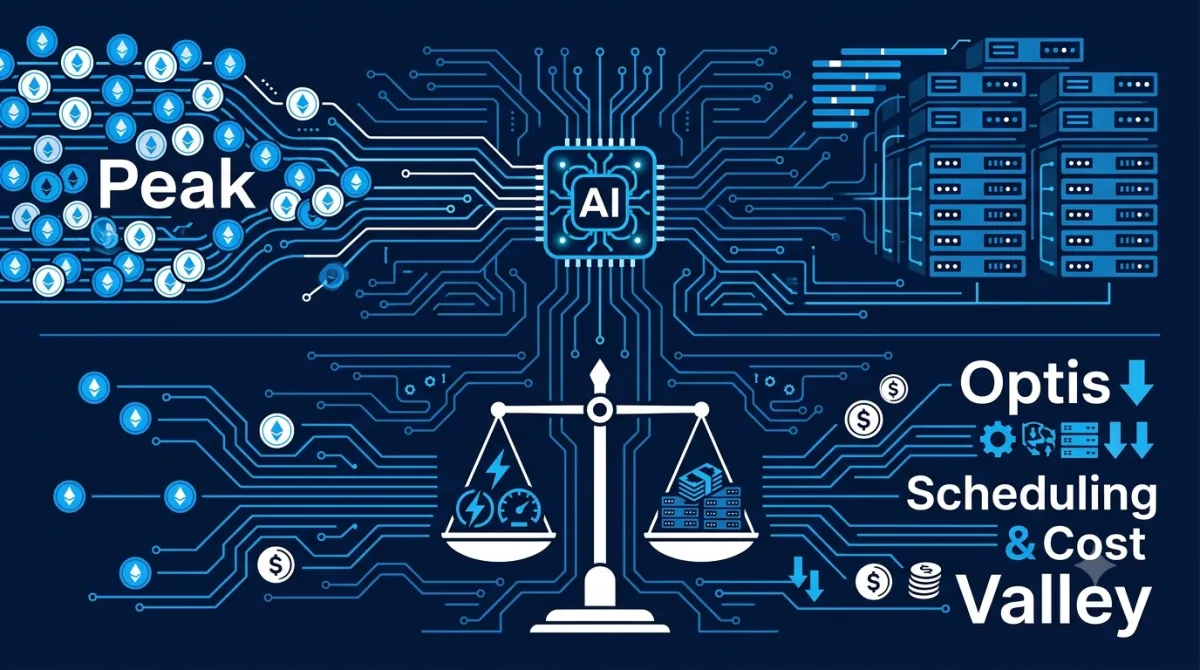
Model benchmarks dominate AI discussions, but they rarely answer the question engineering leaders actually care about: what will this cost to run in production? As organizations move from experimentation to high-volume AI workloads, pricing architecture is becoming just as important as model quality. DeepSeek V4 enters the market with an unusual proposition. Instead of a fixed API price, it introduces a peak-valley pricing model that encourages developers to shift non-urgent inference to lower-cost periods. This review examines whether that approach delivers meaningful savings, what tradeoffs it introduces, and which organizations stand to benefit most.

Read full guide
Open-Source AI Is Catching Up Faster Than Most Companies Realize AI Models
Jul 10, 2026 • By Dave Dotio

Open-Source AI Is Catching Up Faster Than Most Companies Realize

For years, choosing between proprietary and open-source AI was relatively straightforward. Proprietary models consistently delivered the strongest performance, while open models appealed primarily to organizations prioritizing cost, transparency, or deployment flexibility. That distinction is beginning to fade. Recent releases—including high-performing open coding models like Moonshot AI's Kimi K2—suggest that the competitive landscape has shifted. The real question is no longer whether open-source AI can compete, but when the remaining performance gap is significant enough to justify the tradeoffs of closed ecosystems.

Read full guide
Coding Models Are Converging. Here's What Developers Should Compare Instead. AI Models
Jul 09, 2026 • By Dave Dotio

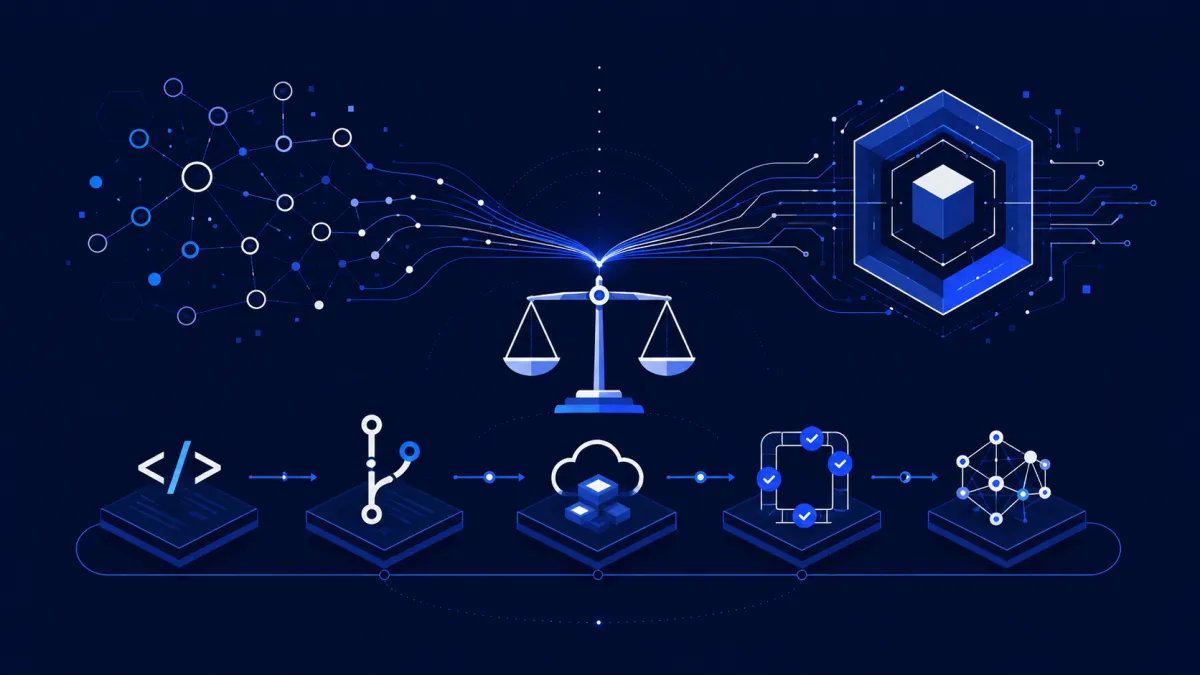
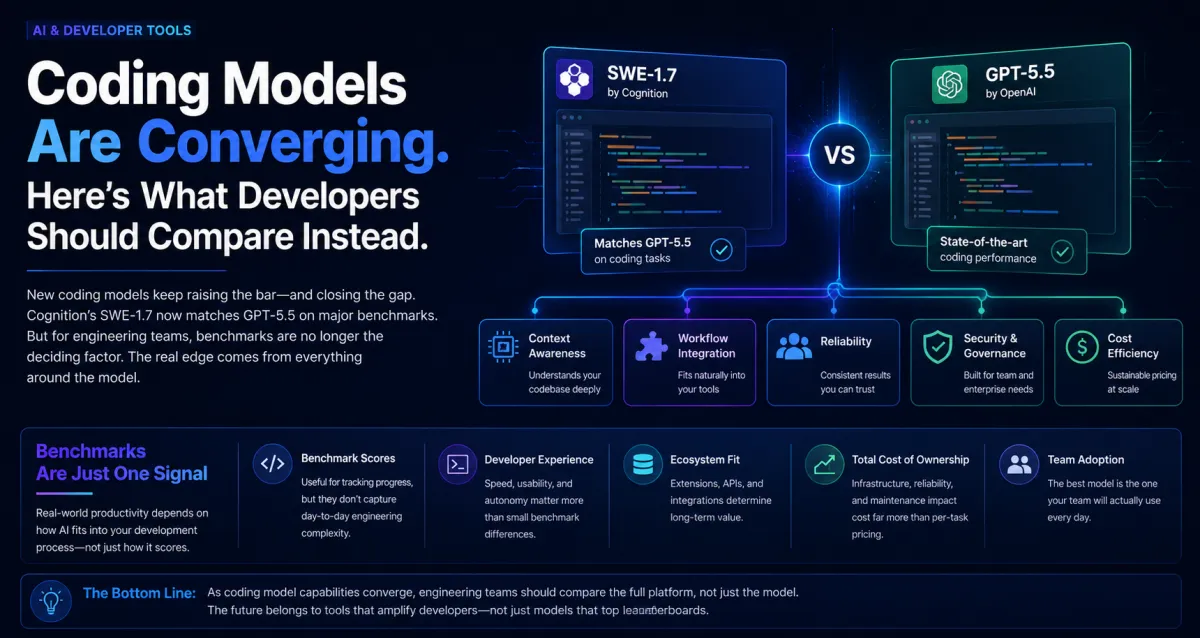
Coding Models Are Converging. Here's What Developers Should Compare Instead.

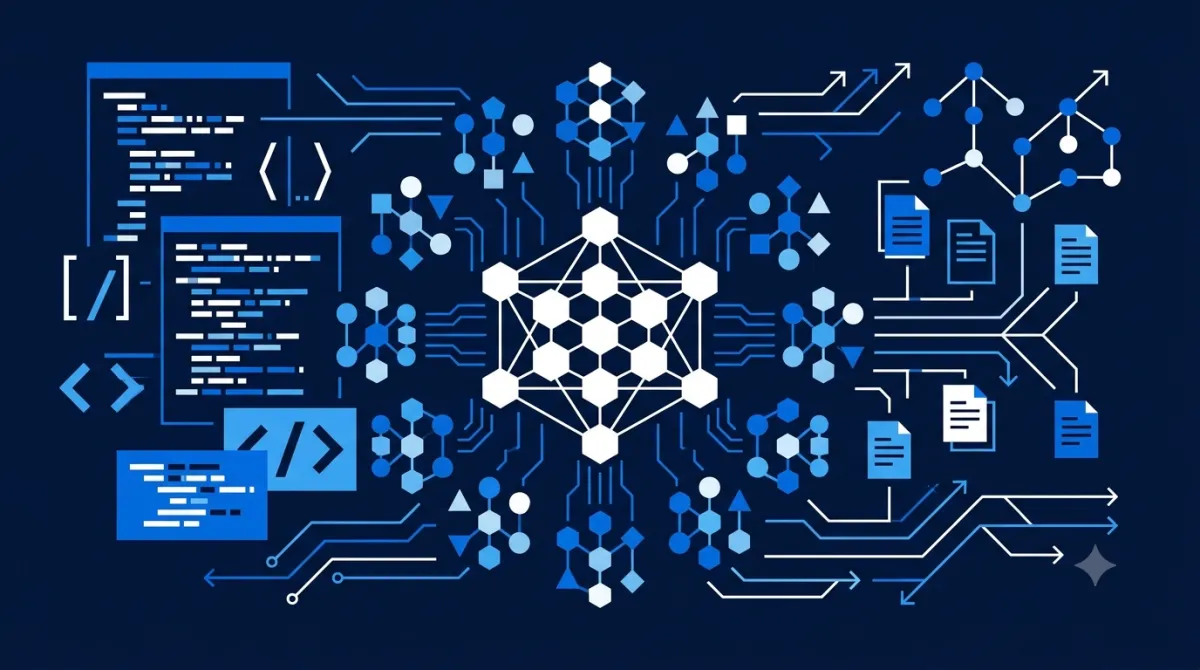
For the past two years, AI coding models have competed on increasingly narrow benchmark margins. Every major release claims higher scores, lower costs, or better reasoning. Yet for engineering teams shipping production software, those improvements are becoming less meaningful than they appear. The real competition is shifting away from the model itself. As coding capabilities converge, developers are evaluating something different: how well AI integrates into their workflow, understands their codebase, collaborates over time, and reduces friction throughout the software development lifecycle.

Read full guide