Back to article categories
Article Category

AI Workflows

Learn how to build practical and repeatable workflows using AI tools. These guides focus on research, development, content creation, productivity, integrations, and other real-world processes.

AI Evaluation Pipelines Explained: Why Testing Beats Prompt Guesswork AI Workflows
Sep 30, 2026 • By Dave Dotio

AI Evaluation Pipelines Explained: Why Testing Beats Prompt Guesswork

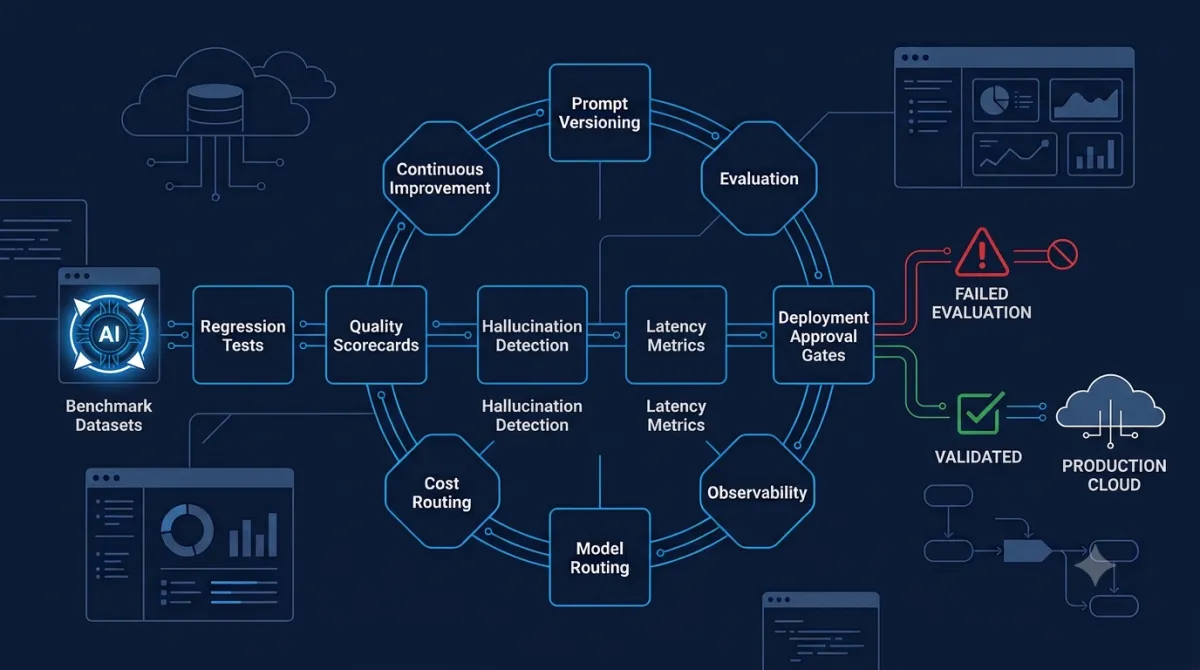
For many AI teams, improving an application still means rewriting prompts and hoping the outputs get better. One version seems more accurate, another feels more natural, and a third performs well on a few examples—but nobody knows whether the overall system has actually improved. That approach doesn't scale. As AI applications become business-critical, engineering teams are replacing intuition with automated evaluation pipelines. Instead of relying on subjective comparisons, they measure quality against representative datasets, regression tests, and production metrics before every deployment. This guide explains how AI evaluation pipelines work, why they're becoming a core part of LLMOps, and how they enable continuous improvement without guesswork.
Read full guide
Designing AI Systems That Fail Gracefully: A Practical Guide to Resilient AI Architecture AI Workflows
Sep 24, 2026 • By Dave Dotio

Designing AI Systems That Fail Gracefully: A Practical Guide to Resilient AI Architecture

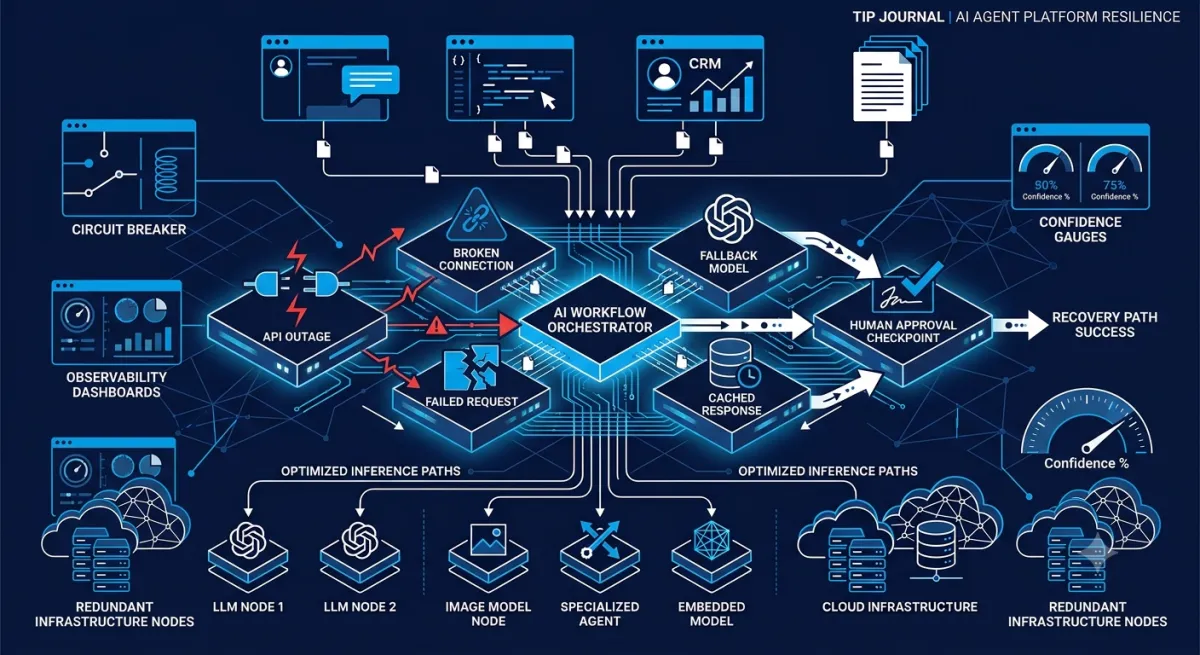
The most important question in AI engineering isn't "How intelligent is the model?" It's "What happens when the model fails?" Production AI systems operate in unpredictable environments. APIs become unavailable, vector databases return incomplete results, models hallucinate, tools time out, and providers experience outages. Yet many AI applications are still designed as if every component will work perfectly. Reliable AI platforms embrace a different philosophy: failure is inevitable. Instead of trying to eliminate every failure, engineering teams design systems that detect problems, recover automatically, and degrade gracefully without disrupting users. This guide explores the architectural patterns that make resilient AI systems possible.

Read full guide
Prompt Engineering Best Practices: Why It's Becoming Configuration, Not Programming AI Workflows
Jul 31, 2026 • By Dave Dotio

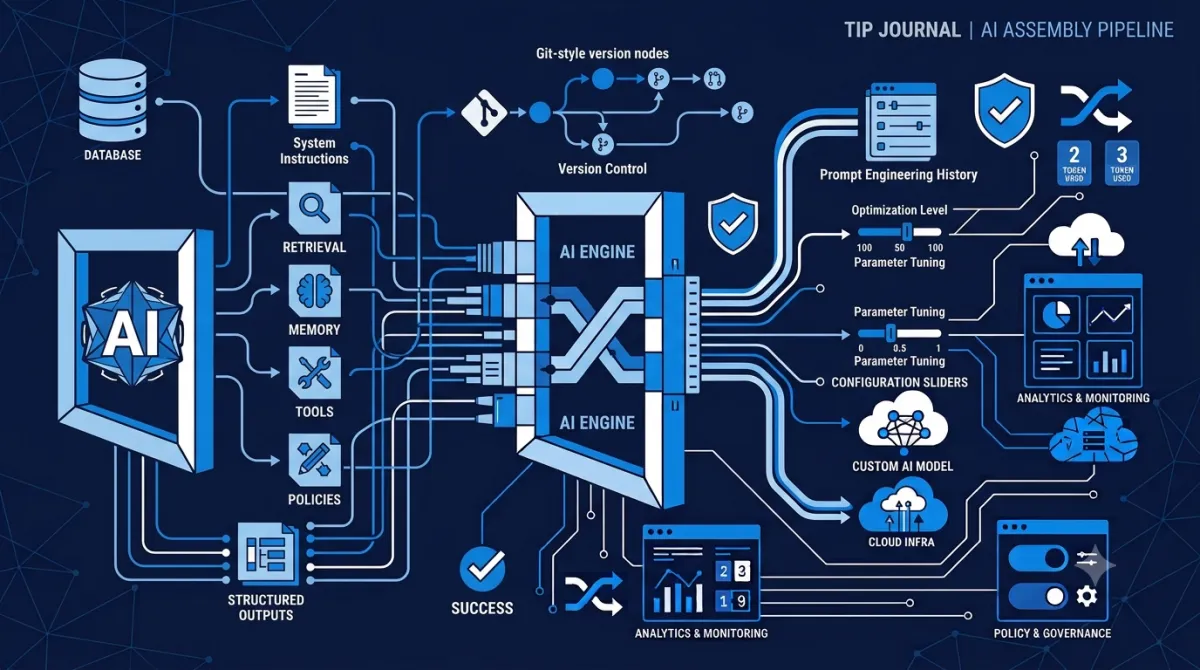
Prompt Engineering Best Practices: Why It's Becoming Configuration, Not Programming

For nearly three years, prompt engineering was treated as a specialized skill. Organizations hired "prompt engineers," shared massive prompt templates, and competed to discover clever prompting techniques. That approach made sense when language models had limited capabilities and every prompt required careful optimization. Today, production AI systems look very different. Prompts are no longer isolated text blocks—they're one component of a larger system that includes retrieval, memory, tool calling, structured outputs, evaluation, and policy enforcement. This shift is changing prompt engineering from an individual craft into a configuration discipline managed through version control, testing, and governance.

Read full guide
How We Turned a Raw Screen Recording Into a Product Demo With Velo 3.0 AI Workflows
Jul 21, 2026 • By Dave Dotio

How We Turned a Raw Screen Recording Into a Product Demo With Velo 3.0

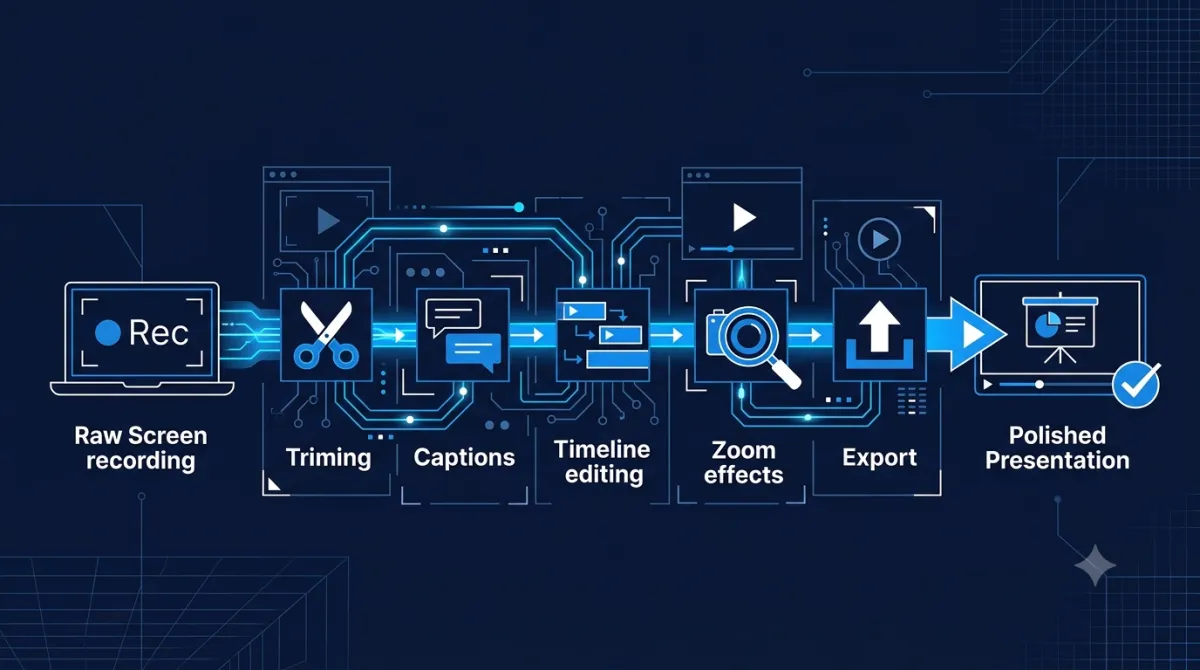
Product demos are one of the highest-leverage assets for SaaS companies, yet they remain surprisingly expensive to produce. Recording a walkthrough is easy. Turning that recording into a polished, customer-ready video typically requires scripting, editing, zoom effects, captions, music, branding, and multiple review cycles. Velo 3.0 aims to automate much of that workflow. Rather than reviewing the product feature by feature, this case study evaluates how an AI-powered editing pipeline could fit into a modern product marketing team, where it accelerates production, where manual editing is still essential, and what teams should measure before adopting AI-generated demos at scale.

Read full guide
AI Agent Testing Tools in 2026: How to Build a Continuous Validation Pipeline Before Production AI Workflows
Jul 17, 2026 • By Dave Dotio

AI Agent Testing Tools in 2026: How to Build a Continuous Validation Pipeline Before Production

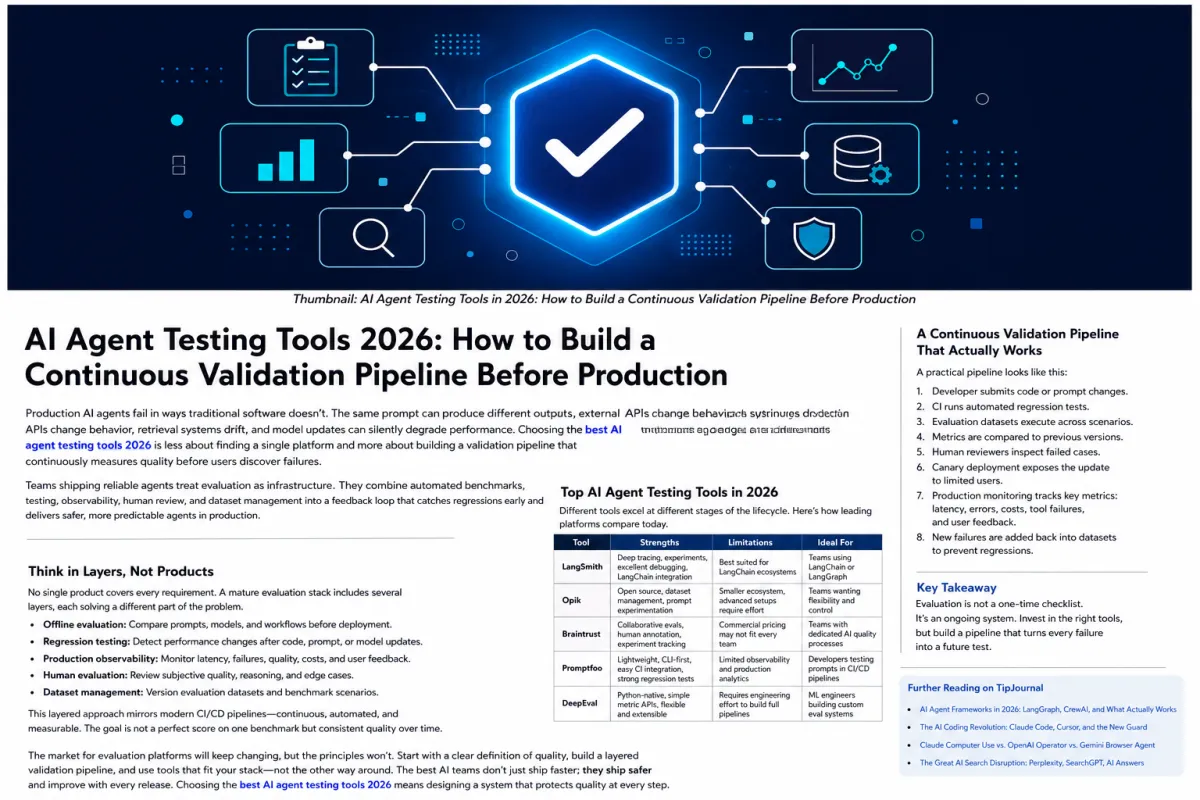
Production AI agents don't fail for the same reasons as traditional software. Prompt changes, retrieval drift, model updates, and external tool failures can silently reduce quality even when applications appear to work normally. That's why leading engineering teams are moving beyond one-time testing toward continuous AI evaluation pipelines. This guide explores the best AI agent testing tools 2026, compares the strengths and limitations of today's leading evaluation platforms, and explains how to build a production-ready validation workflow using regression testing, observability, benchmark datasets, and human review. Whether you're deploying customer support agents, coding assistants, or autonomous workflows, you'll learn how to catch failures before your users do.

Read full guide